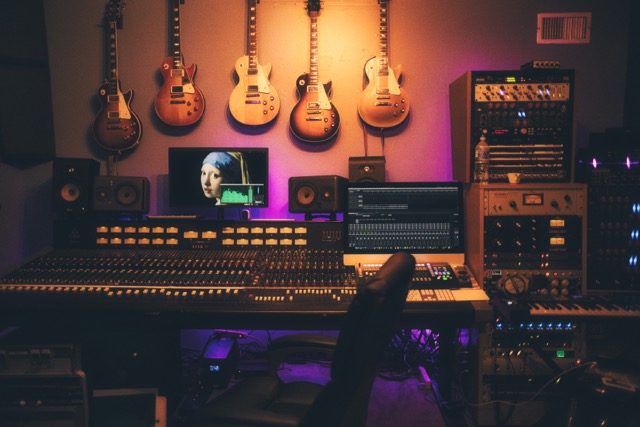

Every song you release contains two separate copyrights. The master is the recording. The publishing is the song underneath it.
Each of these copyright types can be owned by a different person or group of people, and they accrue earnings from different sources. They are also paid out in different ways, by different organisations.
Almost every argument about money in music starts here, so it’s a good idea to develop a solid sense of both.
Part 1 - The recording and the song are different things
When you write a melody and a lyric, you have created a musical work. That work is the ‘composition’, and the rights attributed to it are what the industry calls ‘publishing’.
If you take that work into a room, record it, mix it and bounce a file, you have created something new: a sound recording. This is the ‘master’.
Therefore one song can have many ‘masters’: the demo, an album version, a shortened single version, a live recording, and a cover version are separate recordings of one composition. The composition does not change, but the recordings do.
Part 2 - Why the split should matter to you
As mentioned, the two copyright types earn from different places: The master earns from streaming and download income, (most) sync fees, and neighbouring rights in the territories that pay them. While the publishing earns performance royalties when the song is played publicly or streamed, and ‘mechanical’ royalties when it is reproduced, on streaming, digital downloads, CDs, vinyl records, and any other physical formats.
The good news is, if you have never signed anything, you probably own both outright. However the moment a label, a distributor or a publisher is involved, one or both copyrights are shared. A sync placement needs a yes from whoever controls the master and a separate yes from whoever controls the publishing. Where those are the same person, deals close in days. Where they are not, it can take a lot longer.
It has become more common to hear artists espousing the benefits of "Owning your masters", but it is also only half the picture. Owning your masters gives you control of the recordings. It does nothing for the publishing, which may sit with a different party entirely. An artist can own every master they have made and still not control their own songs.
Part 3 - The mistake that could cost you money
Assuming that your distributor is handling all of it! Artists who release their music independently often register their recordings with a distributor, often using a simple online service to upload their music. These distributors will upload the music to streaming platforms and will collect their streaming money on the artist’s behalf. However, they will not register the composition with a collecting society.
What this means in practice is that the ‘performance’ and ‘mechanical’ royalties potentially keep accruing, but nobody claims them. That money instead sits in the unallocated pool at the societies and eventually disappears. Depending on the territory, this deadline can come relatively fast.
What can you do next?
Take your three most streamed tracks and write down, for each one, who owns the master and who owns the publishing. If you cannot answer both without checking a contract, that is the gap to close first.
Two copyrights means two sets of ownership, each with its own set of names, and anyone wanting to license your track for usage needs a yes from both. Creds keeps both copyrights as one record, made once, so the answer is ready when the offer arrives.
Discover Creds now for free
Free to start. No subscription necessary.
Keep 100% of all payments.
.avif)



.avif)